
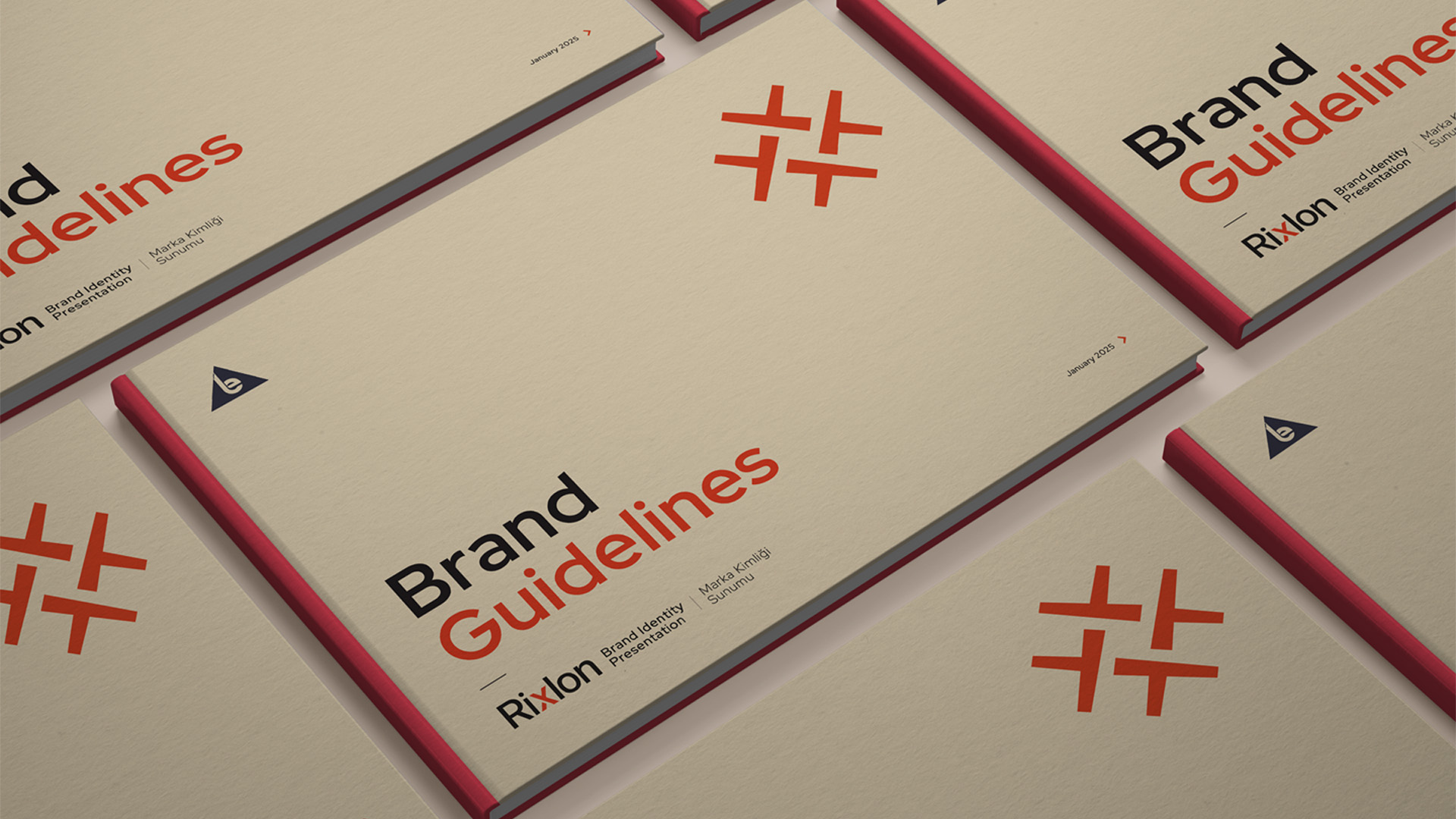
Your organization’s presence is more than a logo. It is the strategic architecture defining market perception and stakeholder connection. This framework builds legacy, not just recognition.
The financial imperative is clear. Companies with consistent presentation see 10-20% revenue growth. Furthermore, 76% of consumers prefer brands they feel connected to. Your brand is a powerful business asset.
Yet a critical gap often exists. While most organizations have guidelines, only one in four enforce them systematically. This creates a vulnerability between vision and reality.
Understanding these key elements positions your company to leverage identity as a competitive advantage. It transforms visual consistency into measurable outcomes and builds unwavering trust.
Key Takeaways
- Your corporate identity is a strategic business asset, not just an aesthetic choice.
- Consistent brand presentation can directly drive significant revenue growth.
- A deep emotional connection with your audience is a primary driver of consumer choice.
- Possessing brand guidelines is insufficient; systematic enforcement is critical for success.
- Your identity is the complete sensory and intellectual experience stakeholders encounter.
- A well-architected identity transforms visual consistency into a tangible competitive advantage.
- The distinction between guideline possession and execution determines market positioning.
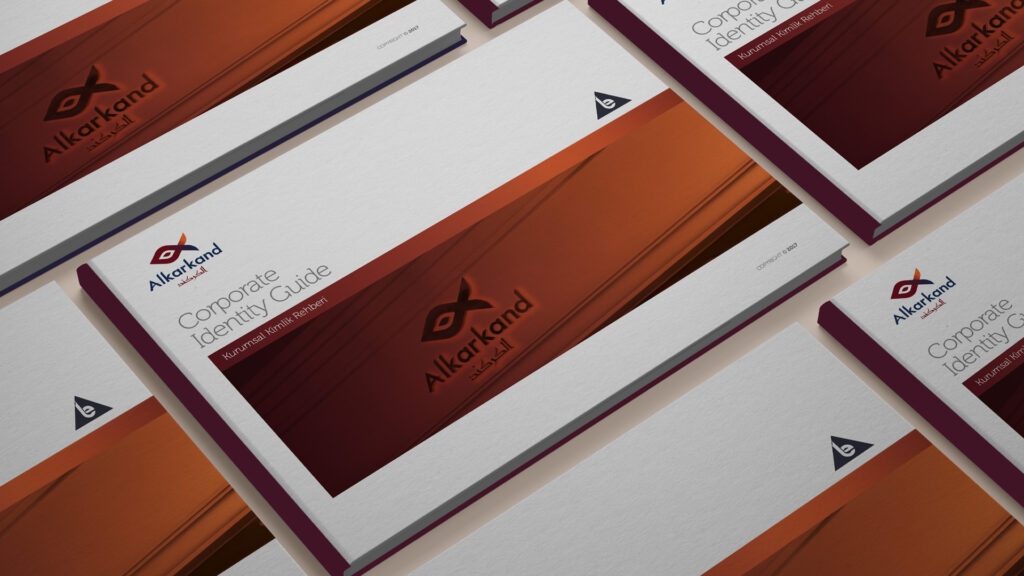
Understanding Corporate Identity Design
Your market presence is a deliberate composition of visual cues and strategic messaging. This framework answers the fundamental question of who you are as an organization.
It weaves together tangible and intangible components. Logos, color palettes, and typography form the visible structure. Messaging tone, values, and behavioral standards provide the intellectual depth.
Defining the Visual and Strategic Elements
A clear distinction exists between the overall identity and its visual execution. The former is the complete strategic picture. The latter is the specific system used to express it.
You build a system where each part supports the others. This synergy creates powerful recognition. It accelerates market penetration and builds stakeholder confidence.
| Strategic Element (The Whole) | Visual Element (The Expression) | Primary Function |
|---|---|---|
| Core Values & Mission | Logo & Symbolism | Establish foundational purpose |
| Brand Voice & Messaging | Typography & Color | Communicate personality consistently |
| Cultural Expression | Imagery & Layout Styles | Visualize intangible qualities |
Understanding this architecture allows you to command authority across every encounter. It ensures your presentation scales from agility to complexity without losing coherence.
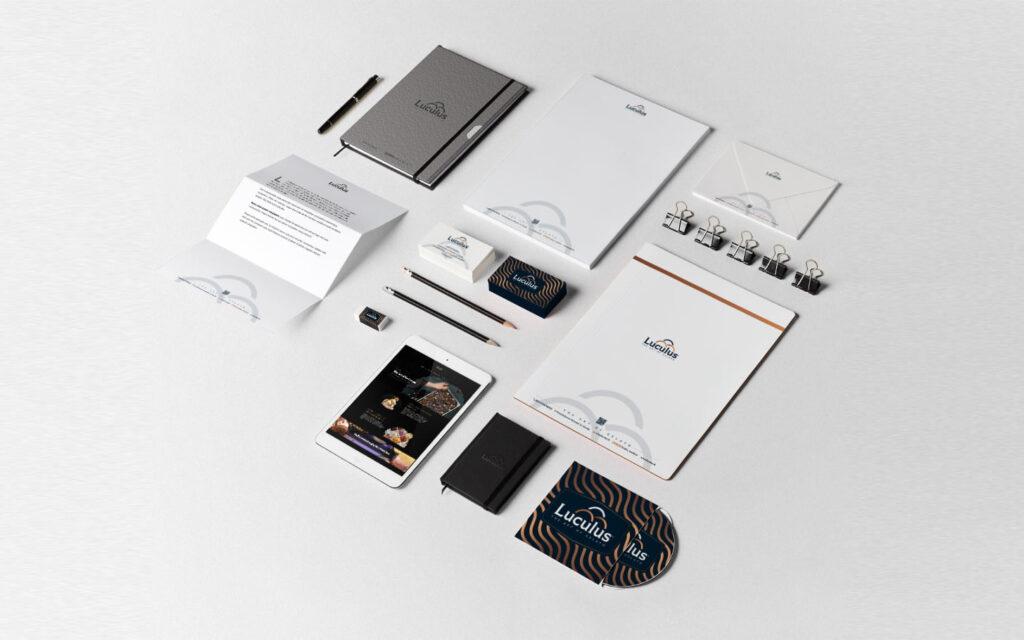
The Role of Brand Identity in Business
The distinction between corporate and brand identity is a matter of strategic scope and audience focus. Your corporate identity presents the complete organizational image to all stakeholders. Your brand identity, however, is the precise expression aimed at your target customers.

Think of your corporate identity as the governance framework. It ensures every outward expression, from investor reports to product packaging, maintains a unified standard. This framework provides the credibility upon which customer-facing promises are built.
Your brand identity acts as the perceptual bridge to the market. It translates core organizational values into tangible experiences. This connection directly influences purchasing decisions and builds lasting loyalty.
| Audience | Corporate Identity Focus | Brand Identity Focus |
|---|---|---|
| Investors, Employees, Regulators | Organizational stability, governance, legacy | Indirect support through company reputation |
| Target Customers | Foundation of trust and credibility | Product experience, emotional connection, value proposition |
A strong brand is the ultimate reward for this strategic alignment. It accelerates customer acquisition and commands premium pricing. This synergy transforms visual consistency into a powerful market advantage.
Core Visual Elements: Logos, Colors, and Typography
Recognition is built upon a triad of visual cues that bypass conscious processing. These elements form the immediate sensory gateway to your brand’s essence.
Logo Design and Visual Symbols
Your primary visual signature operates as an instantaneous recognition trigger. Mastercard’s evolution to symbol-only branding demonstrates ultimate achievement—recognition so absolute that verbal identifiers become redundant.
Visual symbols must balance memorable distinctiveness with functional versatility. They perform equally across digital interfaces, architectural installations, and legal documents.
Typography as a Visual Shortcut
Fonts operate as cognitive shorthand, communicating personality before audiences process content. Helvetica’s adoption by major organizations exemplifies how typefaces signal reliability and modernity.
Custom typography investments like IBM Plex deliver strategic differentiation while ensuring technical performance. They maintain accessibility standards for inclusive communication across every medium.
| Visual Element | Primary Function | Psychological Impact |
|---|---|---|
| Logo & Symbols | Instant recognition | Trust establishment |
| Color Architecture | Emotional resonance | Behavioral influence |
| Typography System | Personality communication | Perception shaping |
These core components function as integrated architecture. Each element reinforces the others to create recognition effects greater than individual parts.
Establishing Brand Guidelines and Consistency
A comprehensive style guide transforms subjective aesthetic choices into objective operational standards. This document serves as your brand’s constitutional framework. It governs every expression with uncompromising precision.
Building a Comprehensive Style Guide
Your guidelines must function as an architectural blueprint. They address every application scenario from digital interfaces to environmental graphics. This foresight ensures seamless scalability.
Effective guides provide explicit visual demonstrations. “Do” and “Don’t” examples eliminate ambiguity for your team. This empowers confident execution without constant oversight.
Technical specifications form the core of this system. They include logo clearspace, color variations, and typography hierarchies. Each element receives precise deployment instructions.
| Guideline Component | Primary Function | Enforcement Criticality |
|---|---|---|
| Logo Usage Standards | Maintain visual integrity | High – Directly impacts recognition |
| Messaging Architecture | Ensure verbal consistency | High – Builds emotional connection |
| Layout Grid Structures | Create rhythmic harmony | Medium – Supports visual cohesion |
Strong corporate identity emerges from systematic enforcement, not mere guideline possession. Each consistent touchpoint compounds recognition. This operational discipline transforms standards into tangible market advantage.
Integrating Corporate Identity with Digital Assets
In the digital age, your brand assets become the operational currency of market engagement. These elements—logo files, typography systems, and content frameworks—require strategic curation across all platforms.
Digital asset management systems provide the architectural framework for this integration. They function as single sources of truth, eliminating version confusion across global teams. This centralized governance ensures uncompromising precision in every market execution.
Your corporate identity must perform seamlessly across diverse digital ecosystems. Websites, social media channels, and marketing automation systems demand consistent visual standards. Strategic integration prevents the fragmentation that undermines stakeholder confidence.
These systems deliver measurable efficiency gains. They reduce asset recreation costs and accelerate content production cycles. More importantly, they maintain brand integrity across dynamic media environments requiring rapid response.
For organizations managing remote teams, centralized repositories enable consistent execution. They transform digital sovereignty into tangible competitive advantage. This approach ensures your identity remains cohesive regardless of geographic distribution or campaign complexity.
Crafting Effective Brand Messaging and Voice
Messaging serves as the intellectual framework that gives voice to strategic positioning. Your verbal signature conveys personality and values across every communication channel. This architecture bridges the gap between organizational essence and market perception.
Your brand voice must reflect organizational character with uncompromising precision. Mailchimp’s conversational wit creates approachability, while Deloitte’s measured formality signals institutional authority. Each tone choice communicates distinct market positioning.
Effective messaging adapts format while maintaining tonal consistency. A product tweet and investor presentation sound different yet unmistakably originate from the same source. Channel-specific guidance ensures social media brevity and thought leadership depth echo the same brand personality.
Codify voice through descriptive parameters that prevent misinterpretation. “Confident without arrogance” and “helpful without condescension” provide creative guardrails. These definitions empower consistent execution across diverse marketing contexts.
Strategic messaging creates emotional connection with customers, transforming transactions into loyalty partnerships. It aligns internal culture with external communication, ensuring employee interactions reinforce brand promises. This harmony builds trust through shared values and mutual understanding.
Aligning Internal Culture with Corporate Identity
Your organization’s internal culture operates as the silent engine driving external perception. This operational manifestation either validates or contradicts the image you project to the world. Authentic alignment transforms employees into genuine brand ambassadors.
Strong corporate identity requires cultural harmony where behaviors and decisions embody stated values. Leadership rituals must reflect the personality your brand communicates externally. Anything less creates organizational hypocrisy that stakeholders quickly detect.
Market-leading organizations recognize employees as primary touchpoints. Their daily interactions with customers and partners either reinforce or undermine your company’s identity. Cultural misalignment occurs when brands promise innovation but maintain rigid bureaucratic structures.
Embed your values beyond poster declarations. Integrate them into hiring criteria, performance evaluations, and promotion decisions. Define behavioral standards that reflect your mission with uncompromising clarity.
When internal culture authentically mirrors corporate identity, employees experience psychological ownership. They transform from workers into passionate advocates who naturally extend brand values. This strategic alignment accelerates execution velocity across all touchpoints.
Best Practices for Corporate Identity Implementation
The transition from brand audit to strategic deployment requires meticulous orchestration. This systematic approach ensures your market presence achieves maximum impact through disciplined execution.
Conducting a Brand Audit
Begin with comprehensive examination of all existing materials. Evaluate logos, color systems, and typography across every application. This diagnostic foundation reveals alignment gaps with your core mission.
Gather multi-stakeholder feedback from employees, customers, and partners. Their perceptions illuminate the distance between intended projection and actual reception. This clarity informs your strategic refinement.
Developing a Targeted Brand Strategy
Establish SMART objectives that align identity initiatives with business goals. This precision transforms aesthetic investments into measurable returns. Your strategy becomes a competitive weapon.
Conduct thorough market and competitor research. Analyze demographic data and psychographic profiles to understand customer behaviors. This intelligence reveals positioning opportunities competitors overlook.
Strategic implementation demands cross-functional commitment. Marketing, operations, and leadership must align around a unified vision. This prevents departmental silos that fragment execution.
Remember that launching represents beginning rather than conclusion. Systematic monitoring ensures continued relevance as markets evolve. Your identity remains a living, breathing asset.
Leveraging Technology for Identity Governance
Technology bridges the critical gap between documented standards and daily execution. Most organizations possess comprehensive guidelines yet struggle with consistent application. This disconnect undermines market presence and stakeholder confidence.
Digital solutions transform aspirational documentation into operational reality. They embed compliance directly within workflow tools your team uses daily. This systematic approach prevents the fragmentation that dilutes brand impact.
Digital Asset Management Systems
Centralized repositories ensure teams access current, approved materials. Logos, fonts, and imagery remain consistently available across departments. This eliminates version confusion that creates inconsistent output.
Platforms like Templafy automate document creation with pre-approved templates. Employees produce compliant materials without specialized design expertise. AI-powered generation maintains voice consistency across high-volume content.
Implementing a Centralized Brand Portal
Strategic curation democratizes access while maintaining control. Employees find needed assets instantly through categorized digital repositories. TikTok’s comprehensive brand book exemplifies this clarity.
Email signature management automates compliance across thousands of daily interactions. This addresses overlooked touchpoints where communications reinforce or undermine professionalism.
| Technology Solution | Primary Function | Governance Impact |
|---|---|---|
| Digital Asset Management | Centralized resource access | High – eliminates version conflicts |
| Automated Template Systems | Embedded compliance | High – ensures standard adherence |
| Brand Portals | Democratized asset distribution | Medium – improves accessibility |
These solutions deliver measurable improvements in compliance and production velocity. They recognize that sustainable identity requires infrastructure supporting execution agility.
Conclusion
The ultimate measure of a corporate identity lies not in its documentation but in its daily execution. Your strategic advantage materializes when standards become embedded in operational workflows—slide templates, communication channels, and shared assets. This transforms intention into tangible market presence.
True consistency demands architectural perfectionism. It requires systems that automate compliance and distribute approved visuals effortlessly. When employees internalize core values, brand-compliant behavior becomes instinctive rather than enforced.
Your organization’s legacy is built through this uncompromising precision. The distinction between temporary noise and enduring market leadership rests on this disciplined approach. Make your identity a living system that delivers measurable business outcomes and commands lasting trust.
FAQ
What is the difference between brand identity and a logo?
A logo is a single visual mark. Brand identity is the complete system. It includes your mission, voice, typography, and color palette. This system creates a cohesive and memorable presence in the market.
How do brand guidelines ensure consistency?
Guidelines provide precise rules for using visual and messaging elements. They govern logo placement, color codes, and approved fonts. This control maintains a unified image across all platforms, building trust and recognition.
Why is internal culture alignment critical for a strong brand?
Your employees are the primary ambassadors of your values. When internal culture reflects external messaging, it creates an authentic and powerful connection with customers. This alignment turns your team into genuine brand advocates.
What role does typography play in visual identity?
Typography is a visual shortcut to your brand’s personality. Specific fonts convey traits like stability, innovation, or elegance. Consistent typography accelerates recognition and reinforces your intended market position.
How does a brand strategy differ from marketing tactics?
Strategy defines your long-term vision and market position. It is the foundation. Marketing tactics are the short-term actions used to execute that strategy. One is the blueprint; the other is the construction.
What is the purpose of a brand audit?
A brand audit assesses the current state of your assets and their market perception. It identifies inconsistencies and opportunities for refinement. This process ensures your visual and strategic elements remain potent and relevant.